
Uncategorized
How to Clean a Handbag: Care Guide by Material

Sep
The same rule applies no matter what your bag is made of: test any cleaner on a hidden spot first — the underside of a strap or the inside seam — before you touch the outside of the bag. Never soak a bag or run it under a tap; work with a barely damp cloth, blot rather than rub, and let the bag air dry away from direct heat or sunlight. A hair dryer or a radiator can shrink, crack, or warp material that would otherwise be fine with a slow, natural dry. Below, we cover how to identify what your bag is made of, daily habits that keep any bag looking newer for longer, step-by-step cleaning for six common materials, how to deal with hardware and stains, and how to store handbags properly between wears.
Before You Start: How to Tell What Your Bag Is Made Of
Cleaning the wrong way for the material is the fastest way to damage a bag, so it’s worth a minute to check before you start. A few quick ways to tell:
- Look at the grain. Leather has an irregular, natural grain pattern — no two spots look exactly alike. Faux leather (also called vegan leather or PU/PVC) usually has a more uniform, repeating texture pressed into the surface.
- Check the cut edge. If you can see an unfinished edge (inside a pocket, for example), leather shows a fibrous, slightly rough cross-section. Faux leather usually reveals a fabric backing under the coated top layer.
- Feel the nap. Suede has a soft, fuzzy, napped surface that changes shade slightly depending on which way you brush it — that’s the giveaway versus smooth leather or faux leather.
- Look at the weave. Canvas and nylon/polyester both show a visible woven or knit texture up close, unlike the smooth or grained surface of leather and faux leather.
- Test with a drop of water in a hidden spot. On coated materials (faux leather, treated canvas, most nylon) water tends to bead on the surface. On leather, untreated canvas, and suede, a drop is absorbed and can leave a temporary dark spot as it dries — a sign to blot immediately rather than let it sit.
- Check the care tag or listing. When in doubt, this is the fastest confirmation, especially for satin, nylon, and polyester bags where the material isn’t obvious by touch alone.
Everyday Care Habits
Small habits do more for a bag’s lifespan than any single deep clean. A few worth building into your routine:
- Empty the bag out weekly — loose receipts, pen caps, and crumbs cause more wear (and ink stains) than most cleaning mistakes.
- Set the bag down on its base rather than dragging it, especially on rough concrete or wet ground.
- Wipe the exterior with a soft, dry cloth after a day out, before dust and everyday grime have a chance to settle in.
- Keep the bag away from perfume, hairspray, and hand sanitizer — many contain alcohol that can dull or discolor finished surfaces.
- Rotate between bags if you carry one every day; constant use without a break speeds up wear on handles and corners.
- Address a spill or stain the same day. Nearly everything is easier to treat fresh than after it’s set.
How to Clean a Leather Handbag
If your bag is genuine leather, the goal is to clean without stripping the natural oils that keep it flexible.
- Dust the surface with a dry, soft cloth first to remove loose dirt before adding any moisture.
- Dampen a clean cloth with lukewarm water — not soaking wet — and wipe in small, circular motions, working one section at a time.
- For light dirt, that’s usually enough. For a deeper clean, a small amount of saddle soap or a leather-specific cleaner (never dish soap or all-purpose cleaner, which strip natural oils) applied with a soft cloth works well; follow the product’s instructions.
- Wipe away any residue with a second, clean damp cloth, then buff dry with a dry cloth.
- Let the bag air dry fully, away from direct sun or a heater, before using it again.
- Once dry, a leather conditioner applied every few months helps prevent cracking, especially in dry climates.
Skip acetone, nail polish remover, and bleach on leather entirely — they strip the finish and can cause permanent discoloration or cracking that no conditioner will fix.
How to Clean a Faux Leather Bag
Faux leather (vegan leather, PU, or PVC) is more water-resistant than genuine leather but can crack or peel if it dries out or is scrubbed too hard.
- Wipe the surface with a soft cloth dampened in warm water to remove everyday dust and light dirt.
- For marks or grime, mix a drop of mild dish soap into water, dampen a cloth (not soaked), and wipe gently — avoid heavy scrubbing, which can wear through the coated top layer.
- Wipe again with a clean, damp cloth to remove any soap residue.
- Dry with a soft cloth and let the bag finish air drying at room temperature.
- Avoid direct heat sources when drying — faux leather can crack if it dries too fast or gets too hot.
How to Clean a Suede Bag
Suede stains and marks more easily than smooth leather, and it should never be cleaned wet if it can be avoided.
- Let any mud or dirt dry completely first — trying to wipe it away while wet just spreads it deeper into the nap.
- Once dry, brush the area gently with a dedicated suede brush (or a soft, dry toothbrush) in one direction to lift dirt and restore the texture.
- For scuffs, a suede eraser or a clean pencil eraser can lift marks without wetting the material.
- For a water spot, let it dry fully first — it often fades on its own — then brush the area once dry to blend it back into the surrounding nap.
- For odor, sprinkle a little baking soda on the surface, leave it a few hours, then brush it off.
- Avoid water and household cleaners on suede altogether; they tend to leave permanent watermarks rather than remove them.
How to Clean a Canvas Bag
Canvas is sturdy and generally the most forgiving material on this list, but color-treated or printed canvas needs a gentler touch than plain cotton canvas.
- Shake out or vacuum any loose dirt and debris from the interior and exterior before adding water.
- Mix a small amount of mild detergent with warm water and use a soft-bristled brush to work it into any dirty areas in gentle, circular motions.
- Rinse the brush and go over the same areas with plain water to lift the soap out.
- Blot excess moisture with a clean towel rather than wringing the bag.
- Air dry fully, stuffed loosely with a towel to hold its shape, out of direct sun so any printed color doesn’t fade.
How to Clean a Nylon or Polyester Bag
Nylon and polyester are among the easiest materials to clean and hold up well to regular washing.
- Wipe down the exterior with a cloth dampened in warm, soapy water for everyday dirt.
- For a deeper clean, hand wash with a mild detergent and lukewarm water, working the fabric gently rather than scrubbing hard at the seams.
- Rinse thoroughly so no soap residue is left behind, which can attract more dirt over time.
- Let it air dry fully before storing; avoid the dryer, which can warp shape and melt any coated finish.
- Check the care label first if the bag has leather or faux-leather trim, since those spots need the gentler wipe-down method instead of a full wash.
How to Clean a Satin or Soft Fabric Bag
Satin and other soft, delicate fabrics show water spots and rubbing marks easily, so less is more here.
- Dust off any loose dirt with a soft, dry brush before doing anything else.
- For a spot, dampen a white cloth (colored cloths can transfer dye) with a small amount of water and blot — never rub — working from the outside of the spot inward.
- Let the area air dry completely and check it before repeating; satin can water-spot if it’s over-wetted.
- For general freshening between cleans, a fabric-safe deodorizing spray held at a distance is gentler than any wet method.
- Store away from anything that could snag the fabric, since satin shows pulls and pilling more visibly than sturdier materials.
How to Clean Bag Hardware
Zippers, clasps, and metal feet get skin oils and grime that dull their finish over time, regardless of what the rest of the bag is made of.
- Wipe metal hardware with a soft, dry cloth first to remove surface dust.
- For built-up grime, dampen a cloth slightly (not the surrounding material) and wipe the metal only, then dry immediately to prevent water spots or tarnish.
- If a zipper is sticking, rub a dry bar of soap or a bit of beeswax lightly along the teeth to help it glide again.
- Avoid jewelry cleaner or metal polish unless it’s specifically labeled safe for plated hardware — many are too abrasive and can strip a gold- or silver-tone finish down to the base metal.
- Keep hardware away from perfume and hairspray, which are common causes of tarnishing on plated pieces over time.
How to Remove Common Stains
Fresh stains are always easier to treat than set ones, so address them as soon as you notice them.
- Ink. Dab (don’t rub) the spot with a cotton swab lightly dampened with rubbing alcohol, working from the outer edge of the stain inward so it doesn’t spread. Test on a hidden spot first, since alcohol can affect some dyes and finishes.
- Oil or grease. Blot up any excess immediately, then cover the spot with a light layer of cornstarch or baking soda and leave it for a few hours to overnight — it draws the oil out. Brush the powder away and repeat if needed.
- Water spots. Ironically, more water is often the fix. Lightly and evenly dampen the entire panel (not just the spot) with a clean cloth, then let it air dry fully — this evens out the moisture so it dries without a ring.
- Denim or fabric dye transfer. Wipe the affected area with a cloth dampened in mild soapy water as soon as you notice it; dye transfer sets more permanently the longer it sits, especially on light-colored bags.
Avoid acetone, nail polish remover, bleach, or all-purpose household cleaners on any bag material — they’re common causes of the kind of discoloration and cracking that can’t be undone, even though they seem like an easy fix for a tough stain.
How to Store Handbags
Storage matters as much as cleaning for how a bag looks a year from now. A few habits that make the biggest difference:
- Stuff it to hold its shape. Fill the bag loosely with acid-free tissue paper (bunched-up plain paper towel also works) so it doesn’t develop permanent creases or a collapsed silhouette while it sits unused.
- Use a dust bag or breathable cotton cover. This protects against dust and light scratches from other bags stacked nearby, without trapping moisture the way a sealed plastic bag can.
- Keep it out of direct sunlight and away from damp areas. UV exposure fades and dries out most materials over time, and humidity encourages mildew, especially in fabric linings.
- Store it upright or lying flat rather than on its side when possible, which helps structured bags keep their shape longer.
- Don’t hang a bag by its straps for long-term storage. The strap and its attachment points can stretch or distort under sustained weight — a hook or shelf is a better long-term spot than a closet rod.
- Wrap metal hardware in a soft cloth if you’re storing a bag for an extended period, to keep it from scratching the body of the bag or another bag stored next to it.
Care by Bag Type
Beyond material, the shape and how you carry a bag day to day affects what it needs. Here’s what to keep in mind for a few common styles.
Tote

A tote like this commuter shoulder tote gets set down on floors, desks, and car seats constantly, so the base picks up the most grime of any panel. Wipe the bottom edge and corners more often than the rest of the bag, and check the reinforced strap attachment points periodically for early signs of wear.
Crossbody
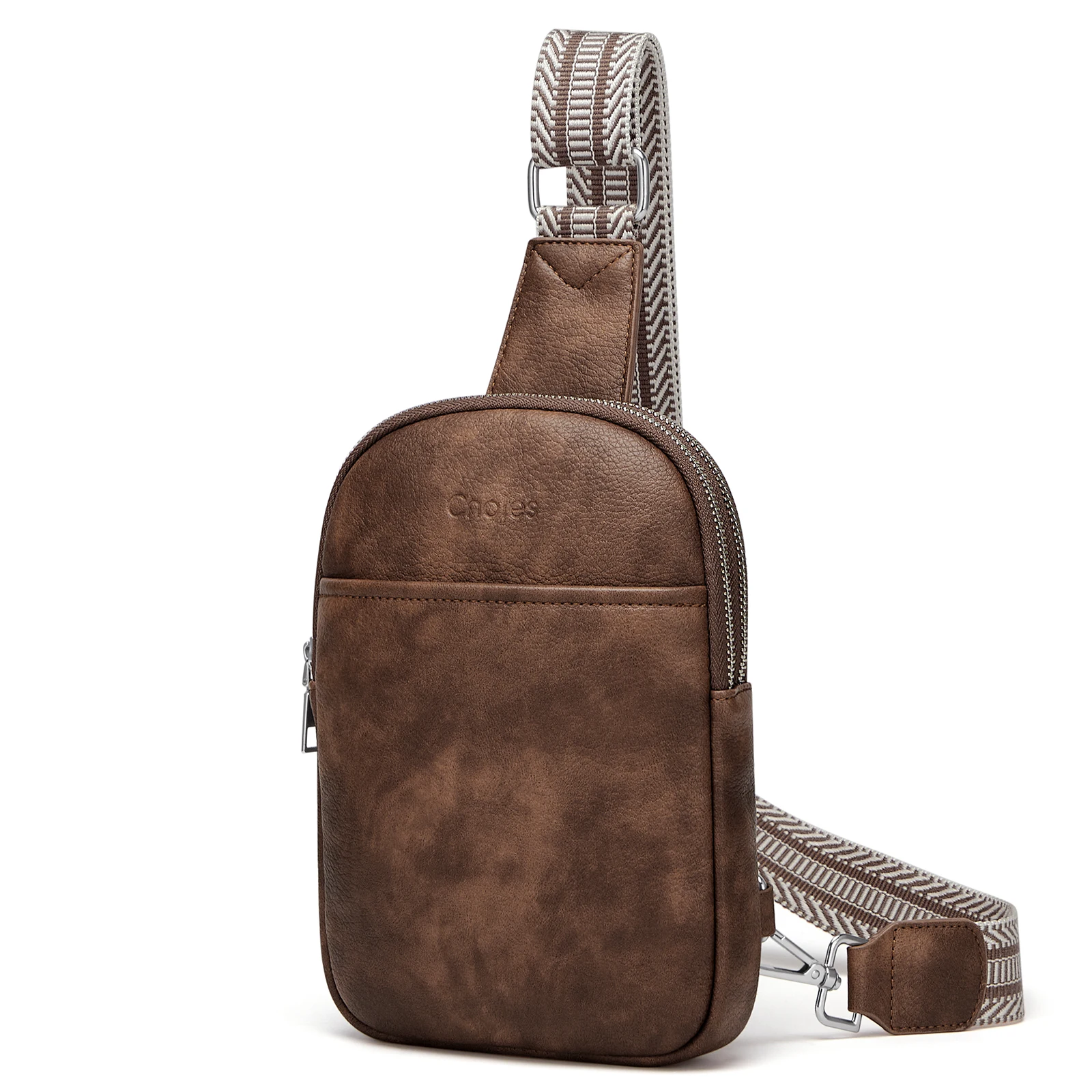
A crossbody bag like this sling style sits against your body all day, so the strap and the side panel that rests near your hip pick up skin oils faster than other spots. A quick wipe of the strap every week or two keeps that area from looking dingier than the rest of the bag.
Shoulder bag
A soft, satin-touch shoulder bag like this cloud-shaped style shows rubbing and water spots more easily than a sturdier finish. Blot spills immediately rather than wiping, and let any dampness dry fully before the bag goes back in a crowded closet.
Hobo

The relaxed, slouchy shape of a hobo bag like this one means it can develop a permanent crease if it’s left collapsed in a drawer for too long. Stuff it loosely with tissue paper between wears so the soft shape holds rather than folding flat.
Backpack
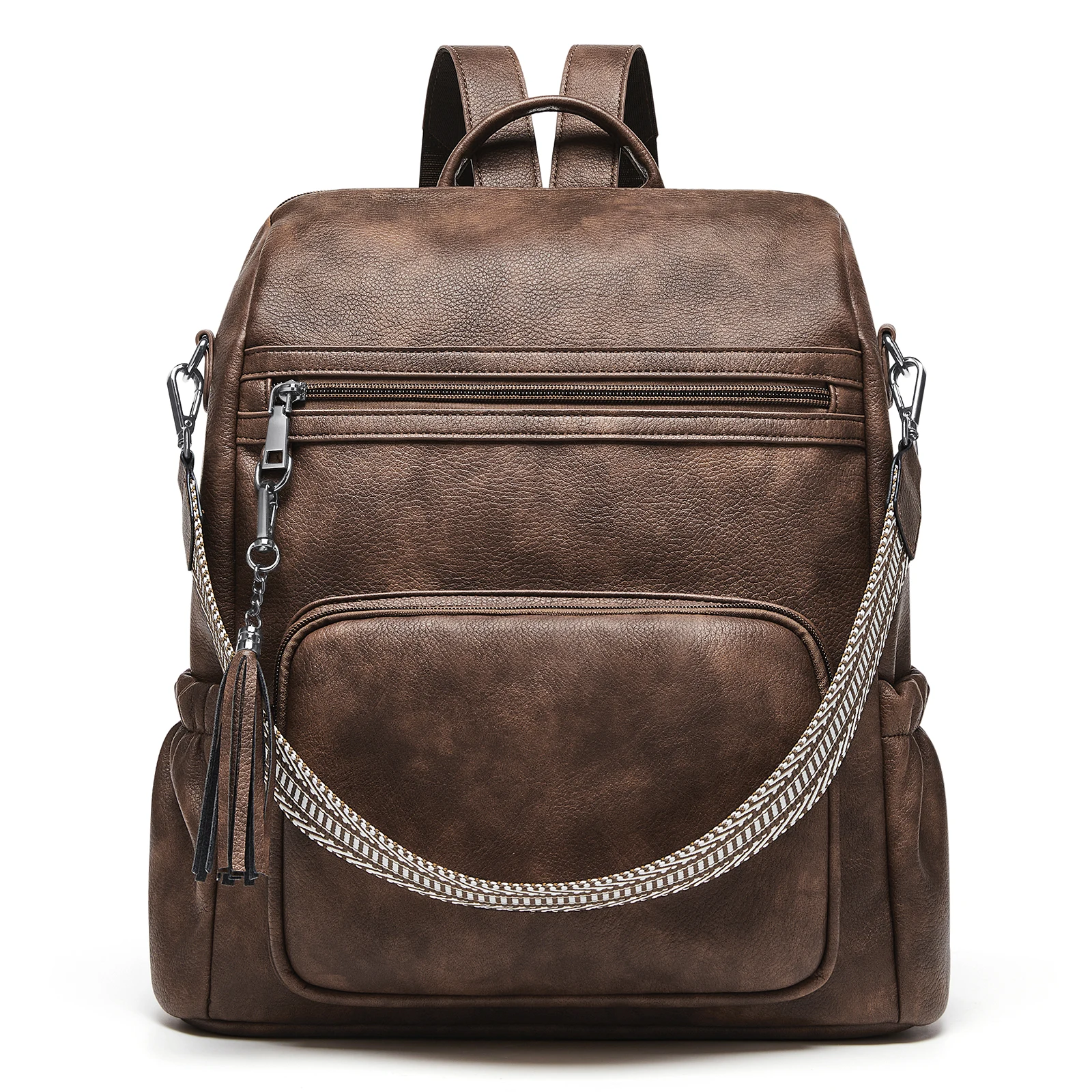
The back panel and straps on a backpack like this retro style sit against your back and shoulders, picking up more sweat and skin contact than any other part of the bag. Wipe those panels down more frequently than the front, and let the bag air out fully after a hot day before storing it.
Woven or textured bag

The raised pattern on a woven-texture piece like this tote traps dust in its crevices more than a smooth finish does. A soft-bristled brush worked gently along the weave lifts out dirt that a plain wipe would miss, and it’s worth doing that step before any damp cleaning.
Wallet
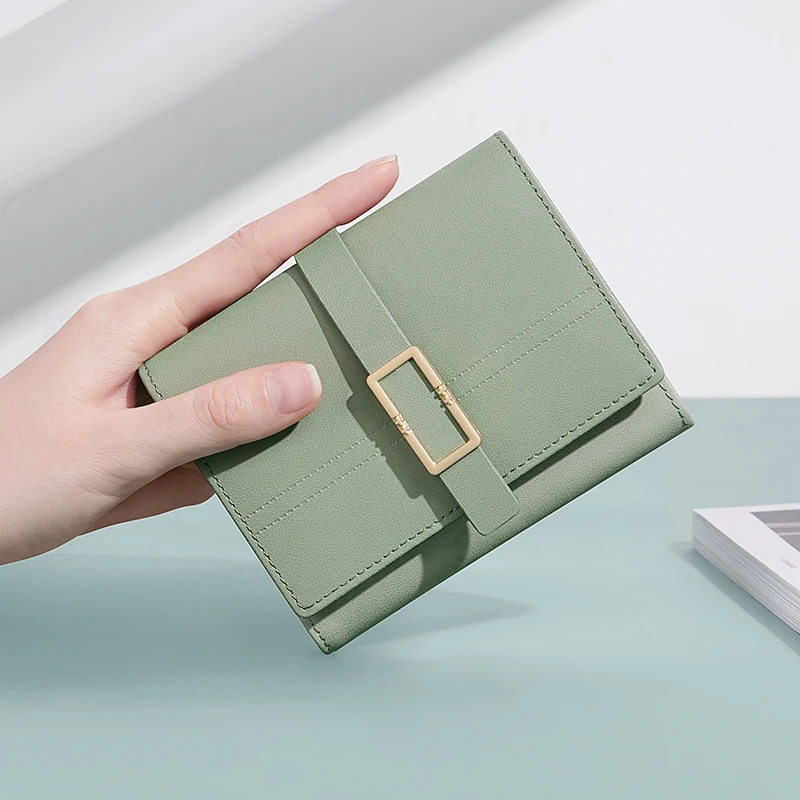
A wallet like this coin-purse style collects receipts, crumbs, and stray coins faster than any bag it lives inside. Empty the card slots and coin pocket regularly, and wipe the interior lining with a barely damp cloth every so often since it’s rarely exposed to air.
Belt bag / waist bag
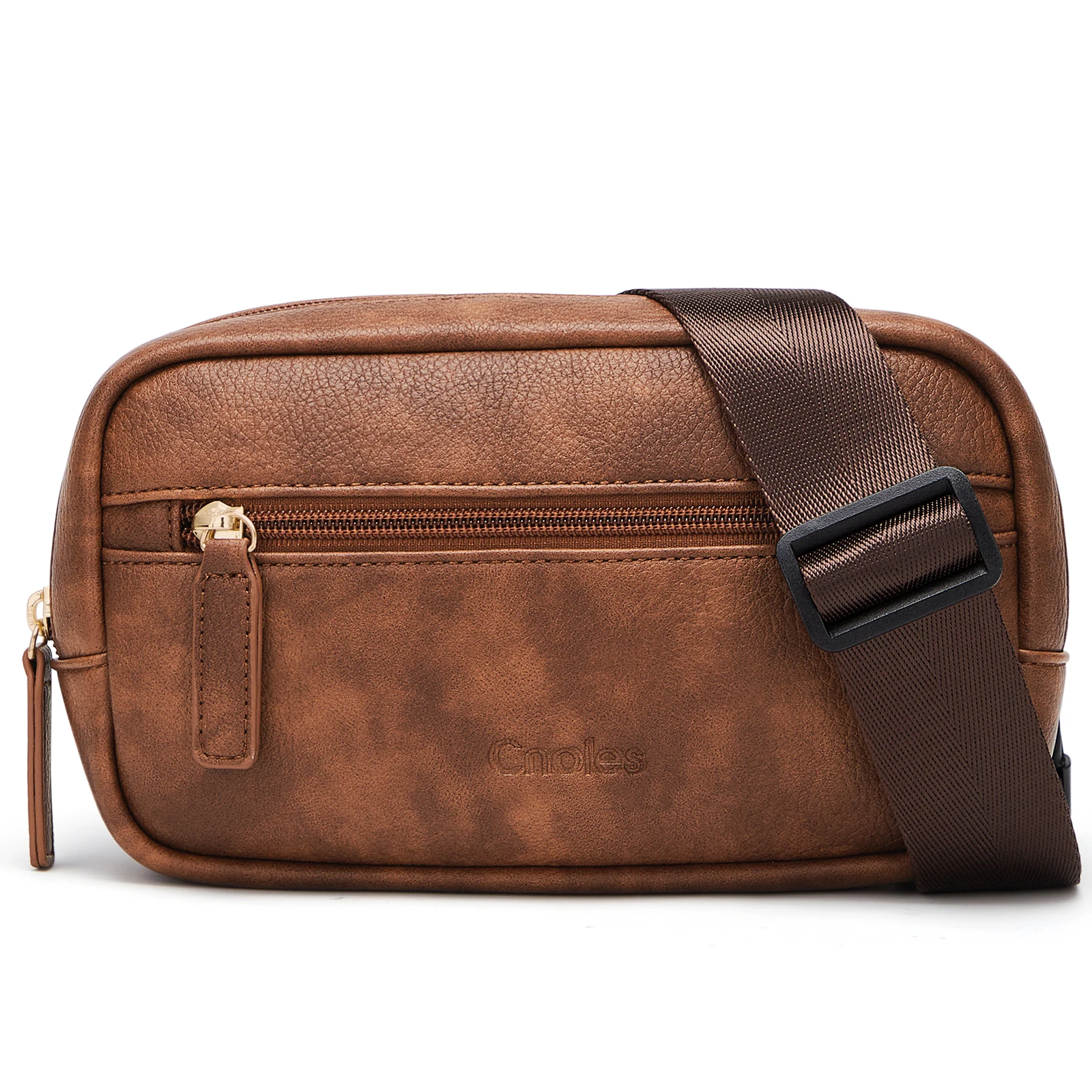
Worn right at the waist, a belt bag like this fanny-pack style picks up sweat and skin contact on hot days more than a bag carried higher up. Wipe the back panel and strap after wear in warm weather, and let it air out fully before you put it away.
Commuter / laptop bag

A daily commuter bag like this large tote gets loaded and unloaded constantly, so check the interior for pen marks or dropped snacks weekly. Wipe the base after setting it on train or office floors, since that’s the panel picking up the most daily grime.
Frequently Asked Questions
Can you wash a handbag in the washing machine?
Most handbags shouldn’t go in the washing machine — the agitation and spin cycle can warp shape, damage hardware, and wear down seams. Canvas, nylon, and polyester bags without leather trim can sometimes tolerate a gentle hand wash, but check the care label first and avoid the machine for structured or leather-trimmed bags.
How often should you clean your handbag?
A quick wipe-down every one to two weeks keeps everyday dust and grime from building up, with a deeper clean every few months depending on how often you carry the bag and what the weather has been like. Address spills and stains the same day rather than waiting for a scheduled cleaning.
How do you clean leather bag stains at home?
Blot the stain first to remove any excess liquid, then wipe with a cloth dampened in lukewarm water, working in small circles. For tougher marks, a leather-specific cleaner applied per its instructions works better than household soap, which can strip the leather’s natural oils.
What household items can you use to clean a bag?
Mild dish soap diluted in water, baking soda for odors and grease, and a soft-bristled brush cover most everyday cleaning needs across materials. Skip acetone, bleach, and all-purpose household cleaners, which are strong enough to discolor or crack most bag materials.
How do you get a musty smell out of a handbag?
Empty the bag completely and let it air out in a dry, well-ventilated spot out of direct sun. Placing an open box of baking soda or a few unscented dryer sheets inside overnight helps absorb lingering odor before you use the bag again.
Is it safe to use baby wipes on a bag?
Baby wipes can work for a quick wipe on some faux leather, nylon, and polyester bags, but test on a hidden spot first since some contain alcohol or fragrance that can affect certain finishes. They’re not a good substitute for a proper leather cleaner on genuine leather, or for water on suede, which shouldn’t be wiped wet at all.
Shop Handbags Built for Everyday Care
Whatever style you’re caring for, our handbags collection covers totes, hobo bags, and structured everyday styles, while the crossbody bag collection and shoulder bag collection cover the styles carried closer to the body. If you’re building out a full set, the backpacks collection, wallets & purses collection, and accessories collection round out the smaller pieces worth the same care routine. For help choosing a shape in the first place, see our guide to types of handbags, or our picks for the best crossbody bag for travel if you’re packing for a trip.
